
Find A Better Price Somewhere Else? We Offer A 5% Price Match

Author: Katelyn Mitchell

carpeted living room with yellow chairs

What Are The Best Carpet Colors To Hide Stains & Dirt?

But with so many colors and patterns available, how do you make the best choice? Let’s dive into the world of carpet colors and discover which shades are your best allies against everyday messes.
 

Understanding the Importance of Carpet Color

When selecting a carpet, aesthetics are just one part of the equation. Practicality plays a crucial role, especially in high-traffic areas. A carpet that can mask dirt and stains not only prolongs its lifespan but also reduces the frequency of deep cleanings. Personally, I’ve found that investing in the right color can save time and money in the long run, all while keeping your home looking pristine.
 

Neutral Colors: The Classic Choice

Neutral tones are timeless for a reason. Colors like beige, taupe, gray, and cream are excellent at concealing everyday dirt and minor spills. These shades blend seamlessly with various décor styles, making them a versatile choice for any room.

Beige and Taupe: These warm hues are forgiving when it comes to hiding dust and dirt. They create a cozy atmosphere without showing wear and tear too prominently.

Gray: A favorite among many homeowners, gray carpets strike a perfect balance between modern and classic. They effectively hide light stains and are less likely to show discoloration over time.
 

Dark Colors: Bold and Practical

While lighter colors are excellent for hiding minor stains, darker carpets can be incredibly effective at masking more substantial messes. Deep colors like navy, charcoal, and chocolate brown are less likely to show dirt, making them ideal for high-traffic areas or homes with pets and children.

Navy Blue: This rich shade not only adds a touch of elegance but also hides dirt exceptionally well. It’s a great choice for living rooms and family rooms where spills and footprints are inevitable.

Charcoal and Black: These colors are incredibly effective at concealing stains and dirt. However, be mindful of the overall room lighting, as darker carpets can make spaces feel smaller and may require adequate lighting to prevent a gloomy atmosphere.
 

Patterned Carpets: Camouflage in Style

If you love color but worry about showing stains, patterned carpets might be your solution. Patterns such as speckles, geometrics, or intricate designs can effectively camouflage dirt and spills, blending imperfections into the overall look.

Speckled Patterns: These designs scatter colors across the carpet, making it difficult for stains to stand out. They offer a stylish yet practical option for maintaining a clean appearance.

Geometric Patterns: Bold lines and shapes can distract the eye from minor blemishes, allowing the carpet to maintain its beauty despite everyday use.
 

Earth Tones: Bringing Nature Indoors

Earthy colors inspired by nature, like olive green, rust, and deep browns, are not only soothing but also excellent at hiding dirt and stains. These hues add warmth and depth to any room while being practical for busy households.

Olive Green: This versatile color blends well with various color schemes and is effective at hiding both light and dark stains.

Rust and Deep Browns: These rich tones are excellent at concealing dirt and offer a warm, inviting feel to any space.
 

Light Colors with Depth: A Balanced Approach

If you prefer lighter carpets but are concerned about stains, consider colors that have a bit more depth and complexity. Shades like ivory, light gray with speckles, or soft blue can hide dirt better than plain white or very light colors.

Ivory and Off-White: These colors are more forgiving than pure white and can mask minor stains while maintaining a bright and airy feel in your home.

Soft Blue: A subtle blue hue can add a touch of color without making the room feel too dark, while still being effective at hiding dirt.
 

Tips for Maintaining Your Carpet’s Appearance

Choosing the right color is just the first step. Here are some additional tips to keep your carpet looking its best:

  1. Regular Cleaning: Vacuum frequently to remove dirt and prevent it from settling into the fibers.
  2. Spot Treatment: Address spills immediately to prevent stains from setting.
  3. Professional Cleaning: Schedule regular professional cleanings to maintain the carpet’s appearance and longevity.
  4. Use Rugs and Runners: In high-traffic areas, use rugs or runners to protect the carpet from excessive wear and tear.


Making the Right Choice for Your Home

Selecting the best carpet color to hide stains and dirt depends on your lifestyle, the room’s function, and your personal style preferences. By considering factors like traffic levels, presence of pets or children, and your home’s color scheme, you can choose a carpet that not only complements your décor but also stands up to everyday challenges.

Personally, I find that combining neutral tones with strategic patterns offers both style and practicality. However, if you prefer bold statements, dark colors can provide the durability and ease of maintenance you need. Ultimately, the best carpet color is one that aligns with your aesthetic vision while offering the functionality required for your household.


Conclusion

Choosing the right carpet color is a balance between beauty and practicality. By opting for neutral tones, dark hues, or patterned designs, you can effectively hide stains and dirt, keeping your home looking fresh and inviting. Remember to complement your choice with regular maintenance to ensure your carpet remains a stunning and functional part of your living space. Whether you lean towards classic neutrals or bold darks, the perfect carpet color awaits to enhance your home’s comfort and style.
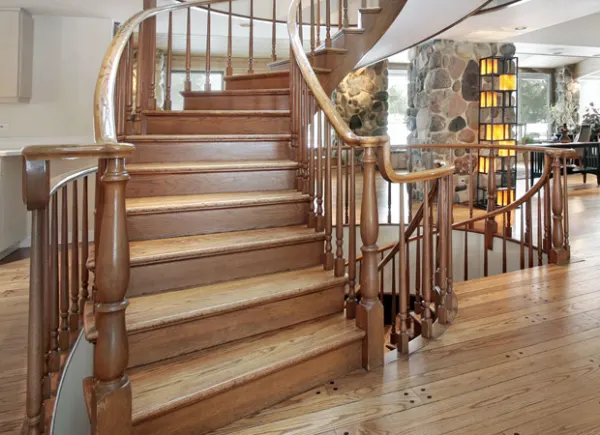
Hardwood staircase and railing.

Home Improvement: Is Hardwood or Carpet Better on Stair for your Home?

Both hardwood and carpet offer unique benefits, but which one is better suited for your home’s needs? In this guide, we’ll compare the pros and cons of hardwood and carpet on stairs, focusing on factors like durability, safety, aesthetics, and maintenance to help you make an informed decision.
 

Durability: Which Material Lasts Longer?

HardwoodHardwood stairs are known for their long-lasting durability. With proper care, hardwood can last decades without needing to be replaced. This material is resistant to daily wear and tear, making it a great choice for high-traffic areas like stairs. Whether you choose oak, maple, or cherry, hardwood is strong enough to withstand constant foot traffic, making it an ideal option for busy households.

CarpetCarpet, on the other hand, typically doesn’t last as long as hardwood. Depending on the quality of the carpet, it might need to be replaced after 7–10 years. While modern carpets are much more durable than older models, they still show signs of wear over time, especially in high-traffic areas like stairs. Carpeting your stairs with a high-pile or plush material can flatten or wear down faster.

Winner: Hardwood. It’s a more durable option that can withstand heavy use for years without showing significant signs of aging.
 

Safety: Preventing Slips and Falls

Hardwood: One of the biggest concerns with hardwood stairs is the risk of slipping. Hardwood’s smooth surface can be slippery, especially if you’re wearing socks or have pets and children in the house. However, you can mitigate this risk by adding non-slip treads or opting for textured finishes that provide better grip.

Carpet: Carpeted stairs provide more traction, making them a safer option for families with children or elderly individuals. The soft surface of the carpet reduces the likelihood of slips and falls and also cushions any potential missteps. If safety is your top priority, carpet may be the better option for your home.

WinnerCarpet. Its ability to reduce slipping makes it the safer choice for families, especially those with young children or elderly residents.


Aesthetics: Enhancing the Look of Your Medford Home

HardwoodHardwood stairs add an elegant, timeless look to your home. The natural beauty of the wood can complement various home styles, from modern to rustic. Hardwood also offers a wide variety of finishes and wood types, allowing you to customize the appearance to match your home’s interior design.

Carpet: Carpeted stairs can also be visually appealing, especially with the wide range of colors and patterns available. Carpet can add warmth and coziness to your home, making it feel more comfortable and inviting. It’s also a great way to inject some personality into your space through different textures and designs.

Winner: It depends on your style preferences. Hardwood offers a classic, sophisticated look, while carpet can add warmth and softness.
 

Maintenance: Which is Easier to Clean?

Hardwood: When it comes to cleaning, hardwood stairs are much easier to maintain. Regular sweeping and occasional mopping are all that’s needed to keep them looking great. Hardwood doesn’t trap dirt, dust, or allergens, making it a healthier option for households concerned about indoor air quality.

Carpet: Carpeted stairs require more maintenance than hardwood. Dirt, dust, and pet hair can easily get trapped in the fibers, which means you’ll need to vacuum frequently. Additionally, stains and spills are harder to clean from carpet than from hardwood. Over time, high-traffic areas like stairs can become discolored or matted, requiring professional cleaning or replacement.

Winner: Hardwood. Its low-maintenance nature makes it easier to keep clean and allergen-free.
 

Noise Reduction: Quieting Foot Traffic

Hardwood: Hardwood stairs tend to be noisy. Every step you take can produce an audible thud, which might be disruptive in a quiet home. If you’re concerned about noise, hardwood might not be the best option, particularly for homes with multiple floors.

Carpet: Carpet absorbs sound, making it a quieter option for stairs. The cushioning effect of carpet muffles footsteps, reducing noise throughout the house. This can be particularly beneficial in homes with children or pets.

Winner: Carpet. It’s the better choice if noise reduction is a key concern in your home.
 

Conclusion: Which is Best for Your Medford Home?

The choice between hardwood and carpet on stairs ultimately depends on your personal needs and preferences. If you prioritize durability, easy maintenance, and a timeless look, hardwood may be the best option for your Medford home. However, if safety, noise reduction, and a cozy feel are more important to you, carpet might be the better choice.


Whether you’re looking to install hardwood or carpet on your stairs, Dave’s Home Supply in Medford, OR can help. Visit our showroom or contact us today for expert advice and a wide selection of flooring options tailored to your needs!

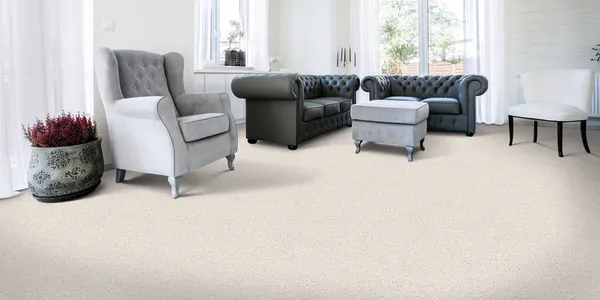
carpet living room with chair and ottoman

How To Repair Carpet Damage By Pets

From claw marks and chewing damage to stains and odors, pet-related carpet issues are common in households with cats and dogs. However, with the right approach and tools, many of these damages can be repaired, restoring your carpet to its original condition. This article will guide you through the process of repairing carpet damage caused by pets, ensuring your floors look as good as new.

Understanding the Types of Carpet Damage Caused by Pets

Pets can cause various types of damage to carpets, each requiring a different repair method. Here are the most common issues:

Claw Marks and Torn Fibers: Dogs and cats may scratch at the carpet, leading to pulled or torn fibers. This damage is often localized but can become more severe if not addressed quickly.

Chewing Damage: Some pets, especially puppies, may chew on the carpet, creating holes or frayed edges. This type of damage can be unsightly and, if left untreated, can worsen over time.

Stains and Odors: Accidents happen, and when they do, they can leave behind stubborn stains and unpleasant odors. Pet urine, in particular, can seep deep into the carpet fibers, causing long-lasting damage.

Matted Carpet: Areas where pets frequently lie down can become matted, leading to a worn and unsightly appearance.

How to Repair Carpet Claw Marks and Torn Fibers

Repairing claw marks and torn fibers is relatively simple, especially if the damage is minor. Here’s how you can fix it:

Step 1: Trim Loose Fibers: Begin by carefully trimming any loose or frayed fibers with a pair of sharp scissors. Be cautious not to cut too much, as this can create a bald spot in your carpet.

Step 2: Re-adhere the Carpet: For larger tears, use a carpet adhesive or glue to reattach the torn fibers to the carpet backing. Apply the adhesive sparingly and press the fibers into place, holding them down with a heavy object until the glue dries.

Step 3: Blend the Fibers: If the damage is noticeable after reattaching the fibers, use a comb or your fingers to blend the repaired area with the surrounding carpet. This will help the repaired section blend in more naturally.

How to Repair Carpet Chewing Damage

Chewing damage can be more challenging to repair, especially if it has resulted in holes or frayed edges. Here’s a step-by-step guide:

Step 1: Assess the Damage: If the chewing has created a hole, measure the damaged area to determine how much carpet needs to be replaced. If the damage is minor, you may only need to trim and repair the frayed edges.

Step 2: Cut Out the Damaged Section: Using a utility knife, carefully cut out the damaged section of the carpet. Make sure the cut is straight and that the edges are clean.

Step 3: Find a Replacement Piece: If you have leftover carpet from the original installation, use it to patch the hole. If not, you may need to cut a piece from an inconspicuous area, such as a closet.

Step 4: Attach the Patch: Apply carpet adhesive or double-sided carpet tape to the underside of the patch and the edges of the hole. Press the patch into place, ensuring it is level with the surrounding carpet.

Step 5: Blend the Patch: Use a carpet seam roller or a blunt object to blend the edges of the patch with the surrounding carpet. This will help make the repair less noticeable.

How to Remove Pet Stains and Odors from Carpet

Stains and odors caused by pets can be particularly stubborn, but with the right approach, they can be effectively removed. Follow these steps:

Step 1: Blot the Stain: If the stain is fresh, immediately blot it with a clean cloth or paper towel to absorb as much liquid as possible. Avoid rubbing, as this can push the stain deeper into the carpet fibers.

Step 2: Apply a Cleaning Solution: Mix a solution of equal parts white vinegar and water or use a commercial pet stain remover. Apply the solution to the stained area and let it sit for a few minutes.

Step 3: Blot Again: After the solution has had time to work, blot the area again with a clean cloth to lift the stain. Repeat the process until the stain is completely removed.

Step 4: Remove Odors: To eliminate lingering odors, sprinkle baking soda over the stained area once it has dried. Let it sit for several hours, or overnight if possible, before vacuuming it up.

Step 5: Deep Cleaning: For more stubborn stains or odors, consider using a carpet steam cleaner or hiring a professional carpet cleaning service. Steam cleaning can penetrate deep into the carpet fibers, removing dirt, stains, and odors more effectively than surface cleaning methods.

Preventing Future Carpet Damage by Pets

Prevention is key to maintaining the appearance and longevity of your carpet. Here are some tips to help prevent future damage:

Regular Grooming: Keep your pet’s nails trimmed to reduce the risk of claw marks and torn fibers. Regular brushing can also help reduce shedding, which can contribute to matting.

Provide Appropriate Chew Toys: Ensure your pets have access to chew toys to deter them from chewing on the carpet. This is particularly important for puppies and teething dogs.

Train Your Pets: Proper training can significantly reduce the likelihood of accidents and destructive behavior. Teach your pets where they are allowed to play, eat, and relieve themselves.

Use Area Rugs: Placing area rugs in high-traffic areas or spots where your pets frequently lie down can help protect your carpet from damage.

Conclusion

Repairing carpet damage caused by pets may seem daunting, but with the right tools and techniques, it is entirely manageable. Whether dealing with claw marks, chewing damage, stains, or odors, you can restore your carpet and keep your home looking its best. Regular maintenance and preventive measures will also help you avoid future damage, ensuring your carpet remains in excellent condition for years to come.

Butcher board countertops with white glass tile backsplash

The Pros & Cons of Installing Glass Tile Backsplash

When it comes to choosing a kitchen or bathroom backsplash, glass tiles are a popular choice for homeowners. They are easy to clean, durable, and look great. If you’re thinking about installing a glass tile backsplash in your kitchen, there are many things to consider.

The first thing that comes to mind when you think about backsplashes is a functional, simple surface. But glass tiles, especially the modern and designer versions, can add so much more character to your kitchen.

In this article, we’ll cover everything you need to know about glass tile backsplashes. Keep reading for all the pros and cons!

The Pros of a Glass Tile Backsplash

The Aesthetic Appeal

Glass tile backsplashes are incredibly beautiful and come in a variety of colors, textures, shapes, and sizes. They can add character to any kitchen and can be used to create a unique pattern or design. This means that you can express your personality in your kitchen design!

They also add visual interest, texture, and depth to any kitchen or bathroom space.

The Splash Resistance

Glass tile backsplashes are water-resistant, making them an ideal choice. They give protection to the walls in high-traffic areas prone to scuffs and marks. A water-resistant backsplash can also withstand moisture and water spills, which can help prevent mold and mildew growth.

So Easy to Clean

Glass tiles are one of the easiest surfaces to clean. Simply wiping the tiles with a damp cloth can remove any stains or spills. In addition, they are resistant to bacteria, making them the hygienic choice.

They are also stain-resistant, which is a great help in a kitchen where spills and splatters are common.

The Durability

Glass is inherently strong, and glass tiles are resistant to high temperatures, moisture, and stains. They can withstand direct heat from the stove or oven and won’t crack or discolor.

Glass tile backsplashes are durable and can last for many years without needing replacement. They are also resistant to chips, cracks, and scratches. This makes them an ideal choice for high-traffic areas, like a kitchen.

The Versatility

Glass tiles come in a wide range of colors and patterns, making them a versatile choice for any kitchen design. They can be used to create a subtle and understated look, or to make a bold and colorful statement. Glass tiles can be used in many ways, such as a solid sheet or a glass mosaic tile.

Given all the options available, it is possible to achieve any number of different looks from vintage to ultra-modern.

The Illusion of Space

Glass tiles reflect natural and artificial light, brightening up any space. This is particularly useful if your kitchen or bathroom is on the smaller side.

A glossy tile in a lighter color will help to create the illusion of space. A matt-glazed tile of a darker color will make the space appear more cozy and intimate.

The Cons of a Glass Tile Backsplash

The Cost

Glass tile backsplashes can be expensive, particularly if you choose a high-end product. Glass tiles are more expensive than other materials, such as ceramic or porcelain.

The price increases with the quality, size, and design of the tile. This can make it difficult for homeowners on a tight budget to afford this option.

It’s Not a Simple Installation

Glass tile installation requires more work and skill than other materials. It is more susceptible to cracks and chips and requires precise cutting and grouting.

Grouting glass tiles can be challenging, too. They need a fine grout line, and any residue left on the tile will be more obvious.

You will need to find a contractor who has experience working with glass to do the job. Of course, this can add to the overall cost of the project.

Glass Is Fragile

Glass tiles can be fragile and can crack or break if hit with a hard object. This can be a concern in a busy kitchen where accidents are more likely to happen. Glass tiles are prone to cracking and chipping if a heavy object, such as a pot or pan, falls on them.

If your glass tile backsplash is not installed properly, the tiles can loosen and fall off.

It’s Going to Need Maintenance

While glass tiles are easy to clean, fingerprints and watermarks are more visible on glass than on other materials. This means that they may need more frequent cleaning than other types of backsplashes. Again, the texture and color of the tile can help to reduce the visibility of marks on your glass backsplash.

Bear in mind that you will need to check for chips and cracks often, and make sure the tiles are adhering well.

It Could Get Slippery

Glass tiles can be slippery when wet, which can be a concern in a kitchen where spills are common. Even though a glass tile backsplash is not as dangerous as glass tile flooring, a slippery wall is still a cause for concern.

The solution is to choose a tile with a textured surface or add a non-slip coating to the surface.

The Lowdown on the Glass Tile Backsplash

Installing a glass tile backsplash has both pros and cons, depending on your needs and likes. Glass tiles are aesthetically appealing, versatile, durable, and easy to maintain. But they are costly, and you will need to hire an installer who knows what they’re doing.

Take into consideration how it affects safety, too!

You will need to decide whether a glass tile backsplash is worth the investment for you. Have a chat with us at Dave’s Home Supply, and let’s figure out what your best option is!

Granite countertop in kitchen with sink

Exploring The Different Types of Granite Countertop Colors

America’s obsession with granite countertops started in the 1970s and hasn’t stopped since.

While the decision to install granite countertops is easy, choosing from the many color options isn’t. Are you looking to upgrade your countertops with granite, but you’re not sure which color is suitable for your kitchen or bathroom?

The good news is you’re in the right place. Discover the different types of granite countertop colors to make your decision easier.

White

One of the most popular granite countertop color choices is white. Keep in mind, you can rarely find white granite countertops. If you do, it’s most likely quartz.

Instead, white granite comes in a wide range of shades from white Dallas to moon-white. Whatever shade you choose, your white granite will look ultra-stylish and mimic the opulence of white marble.

Better yet, white granite countertops are easy to clean, durable, and will suit any style of space, from contemporary to traditional. This versatility makes white granite a must-have feature for any newly renovated kitchen or bathroom.

Black

Nothing screams sophistication more than a black granite countertop. If you’re looking to add a bold yet contemporary feel to your kitchen or bathroom, black granite is the material for you.

One of the reasons black granite countertops are popular is their versatility. Black granite can add gravitas to rustic wooden shelving or a colorful tile backsplash.

Or why not match black granite counters with sleek slate gray cabinetry and stainless steel appliances? Black granite has a timeless appeal that has unparalleled strength and longevity.

Pink

If you’re searching for a calming and aesthetically pleasing countertop, pink granite will be the perfect color choice for you. The pinkish hues in granite are due to pink potassium feldspar and can range from light pink to lavender.

Complement your pink granite countertops with white or cherry-colored cabinetry to make your space really pop.

Pink granite can add a romantic atmosphere to any space. Best of all, pink granite resists chips and scratches and is heat and stain-resistant.

Red

Red granite is an attractive natural option suitable for kitchen and bathroom countertops. The reddish hue is due to the presence of the mineral potassium feldspar. It’s incredibly sought-after by designers and homeowners.

Red granites come in a variety of shades to complement almost any design. From deep burgundy granites to brighter and livelier hues, these fiery colors will add a bold, energetic feel to your space.

If you want to make a statement, red granite is the perfect color for you.

Blue

It’s not hard to see why blue granite is one of the most breathtaking colors available. Blue natural stone is very rare, meaning it is more challenging to produce than any other color or type.

These highly desirable granites come in various shades, including the most elusive “Van Gogh.” This shade of blue granite features beautiful swirls of deep blue, gold, white, and green, the colors of his painting “Starry Night.”?

Labradorite is another attractive option. It features blue swirls that capture and reflect natural and artificial light in your space, a great option to complement off-white cabinetry.

Green

Green granite countertops are an elegant addition to any bathroom or kitchen space. It comes in nearly 300 different shades, from dark, mossy green to a light seafoam color.

With its bold and busy pattern design, green granite works well with more subtle and muted cabinetry and flooring.

Vibrant green tones against timeless white cabinetry offer a calming vibe. At the same time, a darker green hue with dark woody cabinetry will feel like you’re sitting among the trees.

Whatever shade you choose, green granite is a bold and unique choice that is sure to transform any space into a natural oasis.

Gold

Gold, yellow, and cream granite countertops are a popular choice among homeowners. From light golden to honey-amber, every shade is unique and sure to add life to any space.

To add a touch of glamor, choose New Venetian gold granite with its beige and golden tones. This shade of granite will suit any design, especially dark wood cabinetry, to emulate the sun’s warmth.

Gold granite will give any room a natural shine and will delight and fascinate your visitors.

Brown

Brown granite is a beautiful natural stone that pairs wonderfully with many cabinetry colors. There isn’t a shortage of brown color options, from tan brown, desert brown, and coffee brown.

Brown is considered a “safe” color choice, but this couldn’t be further from the truth. It’s easy to make a statement with brown granite by installing a kitchen island and making it the room’s focal point.

Best of all, brown granite is an eco-friendly, green product that doesn’t include any harmful chemicals.

Top Granite Countertop Colors Explained

You can’t say there aren’t enough granite countertop colors available!

Whether you like white granite countertops, black granite countertops, or something a little bolder, there’s a color for every kitchen and bathroom design.

Granite countertops are durable, highly affordable, and can add value to your home. When choosing granite countertops, the only limit is your imagination.

At Dave’s Home Supply, we can walk you through the types of granite countertops available and help you pick out the perfect one for your kitchen or bathroom.

Request a free estimate today! Let’s help you create your dream space!?

Laminate floor planks on black background.

7 Laminate Flooring Options For Your Home

Flooring is one of the most important aspects of a home renovation. Your floors are a source of comfort, protection, warmth, and looks, so you almost need to fall in love with new flooring before you install it. If you don’t like your floors, your room will never be exactly what you want it to be.

Choosing a floor starts with understanding your options. In this post, we’re going to be discussing the laminate flooring options that you’ll have at your disposal during your renovation. Laminate is an affordable and attractive flooring solution that works well with any room and any interior design style.

Don’t go into this process blind. Learn all you can about laminate flooring by reading this article, then make the decision that’s best for your home.

1. Mohawk RevWood Plus

RevWood Plus is one of the best laminate flooring options on the market. It utilizes the Mohawk Hydroseal technology and a Uniclic joint to give every plank a waterproof seal and prevent water from getting in the seams of the planks. This makes the RevWood Plus line completely waterproof, so it’s really great for kitchens and bathrooms.

All in all, there are 27 choices of finish and 3 choices of width (5″, 7.5″, 9.44″), giving you a lot of customizability within this one line of laminate. The planks have individualized scrapes and textures, so each plank has the impression of real wood. Plus, they’re 12mm thick, so they feel like real wood too.

Visit our site to look at the different RevWood plus finishes, and use our room view tool to see how they look in your home.

2. Restoration Collection by Mannington

Mannington, too, uses its own SpillShield Plus Waterproof technology in its gorgeous Restoration Collection. Between the waterproofing and the beautiful wood look, you’re looking at a top-tier laminate through and through. It also has an AC4 rating, making the Restoration Collection nearly impossible to scuff and scratch.

Like the RevWood Plus, the Restoration Collection makes for great kitchen, washroom, or laundry room flooring. The thicker planks (over 12mm) give it a certain sturdiness that other laminates don’t have, so you can feel confident and comfortable on a strong floor.

As you’ll see on our site, the Restoration Collection has a vast number of finishes and widths, the most popular being 8″. Each plank is 51″ long, but you can choose 3″ and 5″ widths in addition to the standard 8″ plank.

3. Mohawk RevWood

RevWood Select is Mohawk’s more affordable line of laminates, ditching the waterproof technology of the higher-end Plus product. It still offers a wide range of styles across 8 different collections, giving you far more finishes to choose from than the upscale laminates. You’ll still get to choose between 5.25″, 6.12″, and 7.5″ planks, giving you options there as well.

Although it’s not as practical as the Plus line of laminates, you’re getting a more affordable and no less attractive product when you go with Select. Look at our website, and you’ll be able to view every style from every collection to figure out which is best for your bedroom, living room, and/or hallways.

4. Apex by Kraus

Kraus has been in the flooring business for over 60 years, manufacturing stylish and classic flooring solutions to fit any and every application. All of the laminates are priced fairly, making them a great, affordable option. The Apex collection is one of the best laminate choices for a busy home that needs a no-frills, all-around flooring option.

The Kraus Insta-Lok system and the attached pad make these planks incredibly easy to install on your own in no time at all. With the Apex series, you get 5″ width planks that come in 5 finishes: Coast Walnut, Penticton Rosewood, Creekview Mahogany, Poma Maple, and Westbank Oak.

5. Cascade Laminate

The Cascade H2O Series is making waves in the world of laminate, though Cascade Laminates is a very old and experienced laminate manufacturer based out of Western Canada. With a massive distribution network, Cascade is able to acquire laminates at “considerable savings”, which are then transferred over to the consumer for an affordable, yet functional and attractive flooring option.

The H20 Series has numerous qualities going for it, which are as follows:

  • Moisture shield protected from spills for up to 96 hours.
  • Scratch, dent, stain-resistant.
  • CARB 2 and FloorScore are certified for in-home air quality.
  • Easy-to-use drop-down locking system.
  • Easy to clean with a damp mop.

We offer 10 Cascade H2O finishes; planks are 5.7″ wide and 12 mm thick, making them perfect for residential or commercial spaces.

6. Stanley Park by Kraus

For another entry from Kraus, we’ve got the Stanley Park line of laminates. These are slightly more upscale items from Kraus, offering a scuff, scratch, impact, and dent-resistant finish. It’s also GREENGUARD GOLD indoor air quality and CARB 2 certified, making it one of the best for air quality.

Stanley Park is recommended for residential and light industrial use and is easily installed with the same Kraus 2G Insta-Lok system that you find in the Apex line. You’ll get a 27-year warranty, AC4 Class 23/32 rating product when you choose Stanley Park laminates, not to mention a choice between 7 lovely finishes.

7. Equinox Multi by TAS Flooring

TAS Flooring is all about innovation and quality service, providing various types of laminate at a wide range of price points. The Equinox Multi is an upper-echelon line of laminates that features the AtroGuard Core technology and Tight-Lock 5-point locking system to ensure that no moisture penetrates your laminate for 72 hours. You can easily wet mop spills and stains, making this another great choice for any room, including the bathroom and kitchen.

The AtroGuard technology also helps to give the Equinox Multi a truly seamless look. You can install up to 4,000 SF before needing flooring transitions. You can order from 7 finishes and 3 widths directly on our site, so you’ll get exactly what you want from your TAS Flooring laminate.

All the Laminate Flooring Options You Could Want

At Dave’s Home Supply, you’ll find each of these laminate flooring options and many more. We’re Medford’s premium flooring option, offering a wide selection of laminate, hardwood, carpet, luxury vinyl, and numerous other materials. Visit our site today to learn more about Dave’s and what we do, then when you’re ready to choose a new laminate for your home, contact us for more tips and ordering help.

flooring samples against flooring

9 Telltale Signs You Need New Flooring

However, when time and constant foot traffic take a toll on your floor, you have no choice.

It’s common for homeowners to turn a blind eye to signs that they might need new flooring. Floors are among the most observable interior features in your home. Don’t even think for a second that your guests are going to overlook the significant scratches and marks on your floor.

When it’s time to get new floors, it’s time to get new floors. If you’re having trouble figuring out whether you need new floors, we’re here to help. Today, we’ll be highlighting a few obvious signs that it’s time to get new flooring.

1. Your Floor Looks Outdated

Does your floor look like a throwback from the mid-70s? If it does, then it’s time to get some new floors and return to the current decade. A carpet could hide your floor, but not for too long.

It’s time to consider modern flooring options like hardwood, tile, and laminate. Trust us; there’s nothing retro or vintage about your outdated floor. Get yourself some new flooring and save yourself the embarrassment.

2. Visible Water Damage

Water is both a friend and an enemy to your floors, depending on the type of flooring you have. We need water to clean our floors, but not too much of it. Water is incredibly detrimental to hardwood floors because it leads to staining, swelling, and warping.

Plumbing and flooding issues can cause serious damage to your floors. Sometimes warped floors can rectify themselves, but in severe cases, the damage is irreversible. If this describes your situation, you’ll have no choice but to get new floors.

3. Visible Signs of Wear and Tear

It’s quite okay for your floor to have one or two scratches, but it’s not okay for your floor to be littered with scratches. Apart from deep scratches, other signs of wear and tear include cracks and stubborn stains.

Scratches and cracks are not only eyesores but also make your floor more susceptible to water damage and pest infestation. Mold can also grow and proliferate in these cracks and can lead to a host of health complications.

Consider replacing your floors if they show obvious signs of wear and tear. The earlier you do so, the better it is for you.

4. Your Floor Is Discolored

Discoloring is mostly common with hardwood and vinyl floors. A discolored floor can completely throw off your interior design and throw all your decor efforts out the window.

For wooden floors, a thorough cleaning can restore them to their original glory, but only for slight discoloration. No amount of cleaning can restore a severely discolored floor. It’s worth noting that discoloration on the surface of your floor could also indicate mold presence.

Whether you have mold or not, severe discoloration is enough reason to replace your floors.

5. Funny Noises From the Floor

Any funny noises coming from your wooden floor are a sign that you need to replace it. Squeaking or creaking indicates subfloor damage. This means it’s only a matter of time before your entire floor comes falling apart.

You may ignore the creaking noises, but sooner or later, it will get to you. Replace your floors to get rid of the annoying noises and take care of the subfloor damage once and for all.

6. Your Allergies Are Flaring Up

The correlation between allergies and your floor may not seem obvious. However, if your allergies have been flaring up of late, then look beneath your feet. Your floor can harbor allergens like dust, mold, and pollen beneath it.

The accumulation of these allergens is what triggers the allergic symptoms. Unless you’re okay with these allergens, you’d best replace your current floors with suitable options. You should consider vinyl flooring or tiles because they’re less prone to allergens.

7. You’ve Sanded Your Floor One Too Many Times

There’s no doubt that hardwood floors can last a lifetime and are one of the best flooring options. However, if you’ve sanded your hardwood floor too many times, maybe it’s time to replace it.

Remember, every time you sand your hardwood floors, you make them a little thinner. The thinner your hardwood floor gets, the more susceptible it is to cracks, scratches, and other damage. Sooner or later, your entire floor will be a huge mess.

Instead of sanding your wooden floor again, consider replacing it instead. That way, you can start another sanding cycle without having to worry about cracks and structural damage. After more than a few refinishes, don’t be scared to replace your floor.

8. Cleaning Your Floors Doesn’t Make It Cleaner

Most folks have been there; you spend a lot of time cleaning your floor, but it turns out even dirtier than it was before. If cleaning your floors does nothing to make your floor cleaner, your hands are basically tied at this point. It’s either you get new floors or live with your dirty-looking floor.

Don’t waste your time buying cleaning products; there’s a high chance they still won’t work. Your best bet is to get new floors and put the zing back in your floors.

9. Funny and Unpleasant Floors

If the source of an unpleasant smell gets to the subfloor, you’re doomed. Pet accidents like cat and dog urine can permeate into the subfloor. To get rid of their horrible smells, you’ll have to clean the subfloor.

Masking the smell with air fresheners and candles will only work for a while. Eventually, you’ll have to clean the subfloor and replace the floors. The earlier you do it, the better.

You Deserve Some New Floors

Check for any of the above signs to tell whether it’s time for new flooring. At least after getting your new floors, you can rest easy knowing you have a couple of years before you have to install them again. However, remember to get the right company for your floor installation to get the best results.

Request an estimate
today, and we’ll arrange new floors for your home or office.

all wood kitchen

The Homeowner’s Guide to Buying Cabinets in Medford, OR

If your kitchen isn’t functional, it’s not a place you’ll want to spend time cooking in. You want your kitchen to be a place for friends and family to gather, making meals, and making memories. With this handy cabinet guide, you’ll be one step closer to a new and improved kitchen.

Start with Your Layout

Before you start shopping for cabinets, it’s helpful to take a look at the layout of your current kitchen. Does the flow and position of the cabinets and appliances work well for you? If the answer is no, a kitchen remodel is the time to change this.

When you’re buying cabinets, you’ll need a road map of your new kitchen layout. Map out where each cabinet and appliance will go. Your plumber, kitchen designer, and electrician will help make sure your gas, water, and electricity are all in the places they need to be.

When you’re shopping for cabinets, this is the time to make your kitchen more functional. Create more prep space with an island or make an entire wall of cabinets for extra storage. New cabinets mean a new layout that functions better for how your family lives and cooks in the kitchen.

Create Your List of Must-Have Features

One of the best parts about buying new cabinets is that you can change the inside of your cabinets as well. Where you used to have shelves, for example, you can now have drawers that pull out. Where there was once a drawer overflowing with utensils, you can create a custom, more organized space.

Buying new cabinets gives you the chance to have a more functional kitchen. Add drawers, a lazy Susan cabinet, and larger shelves to fit bulky appliances. Moving cabinets also means you get to move where you store everything. This is a great opportunity to move plates, utensils, and pots wherever is more convenient for you.

When you buy new cabinets, you aren’t stuck with whatever came with your home. Now your cabinets can have the features you need. From hidden appliances to an under-counter garbage bin, you can buy cabinets to suit you.

Choose Your Design

One of the most fun aspects of a kitchen renovation is choosing the design of your cabinets. From the color to the material, you can choose a design that fits your style. From traditional white cabinets to modern flat-panel, there’s a cabinet for every budget and design.

The design of your cabinet will also affect what sink, hardware, lighting, and flooring you choose. When you’re replacing cabinets, this is a great time to update the rest of the fixtures and design details in your kitchen.

Creating More Storage

When it comes to the kitchen, there is almost never enough storage. You want to utilize every inch of your kitchen cabinet space. Creating more storage will help make sure everything has a place.

From overcrowded drawers to bowls that fall on your head every time you open a cabinet, now is the time to start fresh and get organized. New cabinets allow you to maximize the space you have. If you have a lot of oversized pots and appliances, choose a cabinet with tall drawers.

Not every home comes with a walk-in pantry or even a pantry cabinet. These are huge space savers. If you didn’t have a pantry previously, create one using cabinets. On an empty wall, you can choose cabinets that go from the floor to the ceiling. Create space for all your dry goods, spices, cleaning supplies, and more.

Countertops in Medford, OR: How to Choose a New Countertop

Replacing your old kitchen cabinets also means you get to update your old countertop. From granite to quartz, there are thousands of different counter styles and materials to choose from.

When you’re shopping for your cabinets, speak with your kitchen designer about the different countertops available. Natural stone, marble, and even wood have unique looks and characteristics. Granite is more heat and scratch-resistant than marble, for example.

Choosing Your Light Fixtures and Hardware

When you’re updating your cabinets, you’ll likely need to update your hardware and light fixtures to match. You can mix metals and materials or go with the same finish throughout.

Take a look at all the colors and materials to see which fit with your new cabinet style. Go for a more classic look with chrome or stay on trend with black or gold.

Flooring in Medford, OR: Replacing or Updating Your Kitchen Floors

Updating your kitchen cabinets doesn’t always mean you need to change your flooring. Oftentimes, however, when you’re changing your layout, removing walls, or moving appliances, you’ll also need to replace your flooring as well.

We can match
existing floors or give your kitchen an entirely new floor to better match your cabinets. From luxury vinyl plank to hardwood and tile, there are tons of durable kitchen flooring options to complement your new cabinets.

Buying Cabinets in Medford, OR

If you’re looking to start buying cabinets in Medford, OR, you’ve come to the right place. We have cabinets to fit any style and budget. Whether you’re updating an old kitchen or creating an entirely new one, we can help give you a beautiful, better-functioning kitchen.

If you’re ready to kick off your kitchen cabinet makeover, fill out the contact form here for a free estimate. You’ll be put in touch with a kitchen professional who can help you get your cabinet project started.

half hardwood and half carpet

Carpet vs Hardwood: The Advantage & Disadvantages

Don’t worry, we are here to help. Read on to learn the advantages and disadvantages of both to help you make the right decision for your home.

Carpet

Carpet isn’t the perfect flooring for all rooms. Here are the biggest advantages and disadvantages to help you choose if it is right for you.

Sound dampening

Floors can be quite loud to walk on. Most flooring reverberates sound, but not carpet. Carpet will absorb sounds as it is walked on. This makes it a great choice for upstairs rooms and rooms where you expect heavy footfall.

Infinite Options

Carpets come in an almost infinite number of colors and style combinations. Whether you want a pattern, color, or anything else, you will almost certainly be able to find a carpet that fits the look. This allows the carpet to be used as an essential part of your room design, rather than just a functional part.

Insulation

Compared to all other flooring types, carpet is the clear winner when it comes to thermal insulation. The design of carpet means it is great at helping keep the heat in and the cold out. In fact, when combined with a suitable underlay, it can have an R-value as high as 2.27 per cm. That’s even better than fiberglass insulation!

If a room has a draft or is prone to being cold, then carpet is a great option to make the room feel more comfortable.

Comfort

A good carpet provides a soft and comfortable surface to stand on. If you are expecting to stand, kneel, or lie on a floor for a long period, then this alone can swing a choice in favor of carpet. This makes it particularly appealing if you have young children you often play on the floor with.

Cleaning

Compared to other types of flooring, carpet is not the easiest to keep clean. Not only does carpet collect dust, dirt, and allergens in the fibers, but it also makes it harder to remove them. Carpets need to be vacuumed at least once a week, with regular deep carpet cleaning to remove any more ingrained dirt. Carpets are also susceptible to staining, which can ruin entire sections of carpet.

Because of this, carpet isn’t always the best choice for entryways and high-traffic areas in your home.

Lifespan

Even the best carpet can only last so long. Properly maintaining your carpet will help, but over time, wear and tear can cause the fibers to become frayed, and the carpet can start to take on a tired appearance. While a good carpet can have a lifespan of 10 years, this isn’t as long as some other types of flooring.

Hardwood

For many, hardwood is the default ‘best option’ when choosing flooring, but it isn’t always the best for everything. Here are the biggest advantages and disadvantages of hardwood.

Cleanliness

Hardwood floors don’t collect allergens like carpet does. Any dirt or debris will be visible on the floor and can then easily be swept up or vacuumed. This makes them perfect for families with allergy or asthma sufferers, or with shedding pets.

Quickly cleared-up spills are also no issue for hardwood. Although you don’t want to leave any standing water, there is little danger that a brief mistake can stain your new floor.

Aesthetics

Although there aren’t as many color options as carpet, you still have a wide range of options when looking at hardwood floors. Different materials, grains, and stains allow you to match hardwood to most room styles. Hardwood also has a perceived ‘cool’ and ‘timeless’ look that carpet cannot match.

Durability

As the name suggests, hardwood is hard. If you look after it properly, a hardwood floor could last for 100 years. You can also easily revitalize a hardwood floor by re-staining it or sanding and refinishing it. That’s great value, even with the higher cost of hardwood. If you are planning on staying in your current home for a long time, this durability makes a hardwood floor a great investment.

Resale Value

Hardwood is considered by many to be the most highly sought-after flooring type. The look and luxury feel of hardwood can increase the value of a home. If you are considering selling your property in the near future, you may be able to get a better return on your investment if you choose hardwood.

Humidity

Although they are durable, hardwood floors are susceptible to standing water and humidity. This can cause them to warp and swell. Because of this, they are not a good fit for bathrooms, utility closets, or other areas likely to get wet.

Cost

Hardwood takes a long time to grow, which is why it comes at a premium. Although the higher price is good value for money over the floor’s lifespan, the initial outlay can put some buyers off. If carpet vs hardwood cost is an issue, then carpet is likely the better option.

Carpet vs Hardwood

Both carpet and hardwood are excellent flooring choices, so the decision really comes down to how you intend to use the room. When debating carpet vs hardwood, think about the advantages and disadvantages of both, and work out what is the best fit for your room. If your main concern is durability and ease of cleaning, hardwood would be best. But if you want insulation above all else, you can’t go wrong with carpet.

Now that you know how to choose the right flooring type for each of your rooms, you need to pick your styles. At Dave’s Home Supply, we have a large range of hardwood and carpet flooring, so whatever your style, we have you covered. So don’t delay, request a free estimate today.

All white kitchen with gold accents

Countertop Design: 7 Considerations Before Installation

From the different types of countertops available to the overall design, it’s important to make sure you have everything planned in advance.

Read on for a list of seven countertop design considerations to keep in mind before you start your remodeling project.

1. Start with the Material

Countertops come in a huge range of materials, from synthetic options like laminate to natural stone, wood, and more. Research the properties of the different types of countertops available to ensure you’re getting the one that’s right for you.

Quartz countertops provide you with the beauty of granite, but they require a lot less upkeep and maintenance. A granite countertop is a popular choice that adds beauty and increases the resale value of your home.

Write down the features of countertops that are most important to you before you pick out the material. Whether it’s the aesthetics, the durability, or the ease of maintenance, these factors should always be part of your kitchen interior design plan.

2. Consider Color

Color plays a huge role in how a room looks and feels, so choose your countertop color wisely. Look for something in a shade that will coordinate nicely with your flooring and cabinetry.

Dark countertops hide stains well, but they can also make your kitchen appear smaller. Something in a light, neutral hue is ideal since it will be easy to blend with your appliances and decor.

Explore different countertop colors and get samples whenever possible. This will help you compare the way the counters will look beside your other finishes, flooring, and next to your appliances.

3. Countertop Design: Do You Want an Island?

A kitchen island is a perfect place to prep for meals, serve breakfast, and more. When designing your new kitchen, take this into consideration if you have extra floor space.

Kitchen island countertop designs vary based on the floor plan and your overall layout. For example, an island with a sink will have a smaller countertop space, while a solid island can easily double as a dining table.

Step-down islands are also a great option in a modern kitchen and provide you with two different levels of surface space. Explore different island designs to help you find one that’s right for your lifestyle.

4. Plan Your Budget

Between new flooring, appliances, and fixtures, your kitchen remodel can get expensive. Don’t forget to take your countertops into account when you’re planning your budget, and get prices in advance.

Some materials will be more affordable than others. For example, laminate or butcher block will always be much cheaper than solid surface countertops like marble, quartz, or granite.

If you need additional work done, this will cost you more, too. Unusual shapes or add-ons like a tile backsplash can easily increase the cost of your new countertop installation.

5. Think About Thickness

A good rule of thumb to keep in mind is that the thicker your countertops are, the more they’ll cost. You can have the installation company design a thicker “nose” or edge to make them look more expensive.

Certain types of materials are already a certain level of thickness, while others give you the option to choose one that works for you, such as a granite countertop. Keep in mind that the depth of your base cabinetry will play a role in how thick or thin your countertops can be.

Talk to a professional if you’re unsure which thickness will work best in your kitchen. Anything made of solid material (like stone) should be fine in terms of longevity, regardless of how thick or thin you want it to be.

6. Explore Different Finishes

Aside from the material and color, countertops often come in a variety of textures or finishes. If you like a matte texture with very little shine, consider getting counters with a honed finish.

For those who enjoy a bit of texture, leathered finishes are a great option. However, if you’re a fan of sleek, smooth, and shiny finishes for your countertops, a polished finish is best.

Look at several finishes and touch them in person to get a better idea of what you like most. This will have a significant impact on how the countertops look, feel, and how easily they can be cleaned.

7. Solid Colors or Something with Character?

If you want your new countertops to have a solid, even color, laminate may be the way to go. Natural stone, like marble and granite, tends to have veining, which can combine a variety of colors throughout the surface.

For those who prefer solid colors but want something durable and high-end, custom quartz is a good choice. This material uses a mixture of quartz and resin that can be custom-blended to suit your needs.

Wood butcher block counters may be solid in color, or they could show a bit of the wood’s natural grain. A marbled look exudes elegance, while solid colors are perfect for a modern kitchen.

Make Your Countertop Move

Keep all these considerations in mind when you’re choosing a countertop design. From the material and thickness to the finish and coloring, each step in the process is important to ensure that you absolutely love the way your new kitchen looks for years to come.

When you’re ready to make a home upgrade, be sure to contact us and schedule a free estimate.